India’s ambition to become a $10 trillion economy is not simply a question of producing more goods, attracting foreign investment, or expanding its services sector. It is a much larger national challenge. The country must build the physical infrastructure, institutional capacity, and economic foundations required to support sustained growth.
India has made considerable progress. New expressways, modern airports, expanded railway networks, industrial corridors, renewable energy projects, and digital infrastructure have strengthened its economic foundations. The scale of infrastructure development over the past decade has been significant.
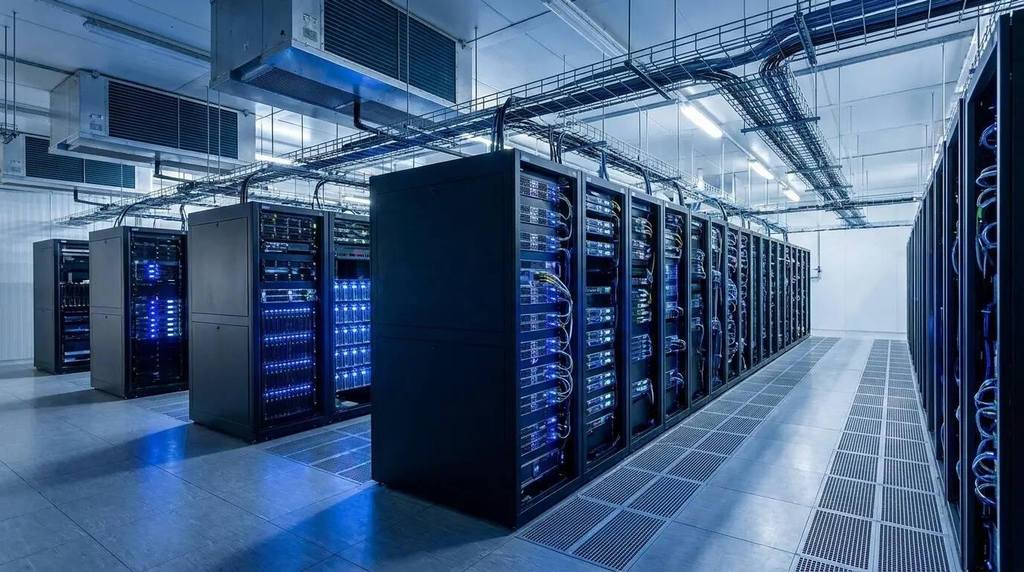
India cannot become a $10 trillion economy if its infrastructure continues to struggle to support the ambitions of its businesses, industries, cities, and population.
A modern highway means little if freight gets trapped at congested junctions. An industrial park cannot reach its potential without reliable electricity and water. A new manufacturing facility cannot compete internationally if transporting its products remains expensive and unpredictable.
These are not isolated inconveniences. They are economic constraints that affect productivity, investment, employment, and India’s ability to compete with established manufacturing economies.
The challenge is no longer just about building more infrastructure. It is about eliminating the bottlenecks that prevent existing and upcoming infrastructure from delivering its full economic value.
This article examines the critical Infrastructure Bottlenecks India Must Eliminate to accelerate economic growth, strengthen industrial competitiveness, and create a credible pathway towards a $10 trillion economy.
Table of Contents
Infrastructure Bottlenecks India Must Eliminate: Why Infrastructure Is Central to the $10 Trillion Ambition
Economic growth requires more than capital and entrepreneurial ambition. It requires an ecosystem in which businesses can operate efficiently, workers can access employment, goods can move quickly, and industries can expand without constantly fighting structural limitations.
Infrastructure is the foundation of that ecosystem.
Consider a manufacturing company operating in India. It needs industrial land, electricity, water, skilled workers, roads, railway connectivity, warehouses, and access to ports. If even two or three of these elements are unreliable, its operating costs increase.
Multiply that problem across thousands of businesses, and the consequences become enormous.
This is why Infrastructure Bottlenecks India Must Eliminate should be viewed as a national economic priority rather than a collection of individual construction projects.
India’s next phase of development must focus on productivity. Building infrastructure is important, but ensuring that infrastructure works efficiently is even more important.
The distinction matters.
A country can build thousands of kilometres of roads and still struggle with expensive logistics. It can expand electricity generation while industries face distribution problems. It can establish industrial corridors while businesses struggle to obtain land, approvals, and essential utilities.
The objective must be to connect infrastructure investment with measurable economic outcomes.
India needs infrastructure that reduces costs, saves time, attracts investment, and allows businesses to grow.
1. High Logistics Costs and Fragmented Transportation Networks
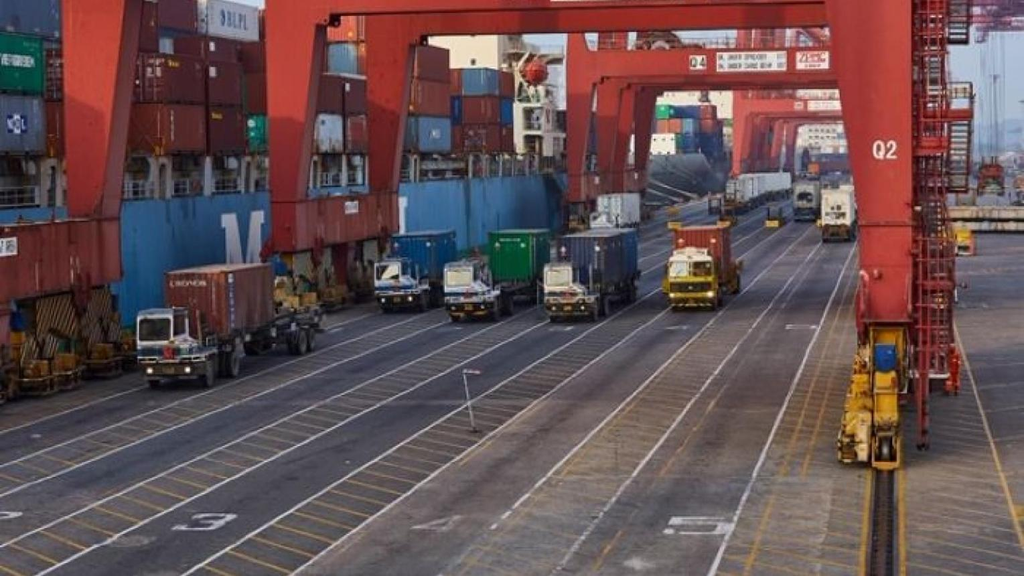
Carriers eye operating gains from JNPT’s terminal privatization | Journal of Commerce
8
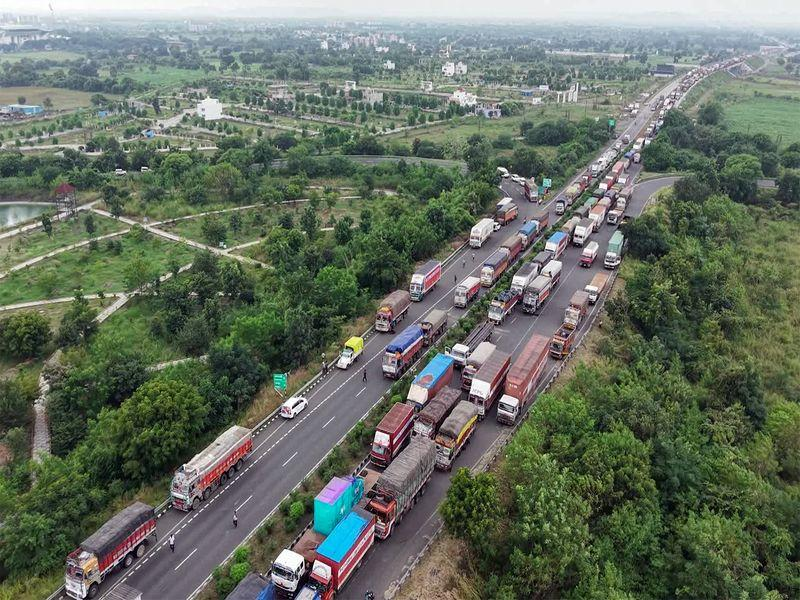
One of India’s biggest economic disadvantages is the difficulty of moving goods efficiently across the country.
Manufacturers do not compete on production costs alone. They also compete on how quickly and cheaply they can transport raw materials, components, and finished products.
This is where India’s logistics ecosystem still faces significant challenges.
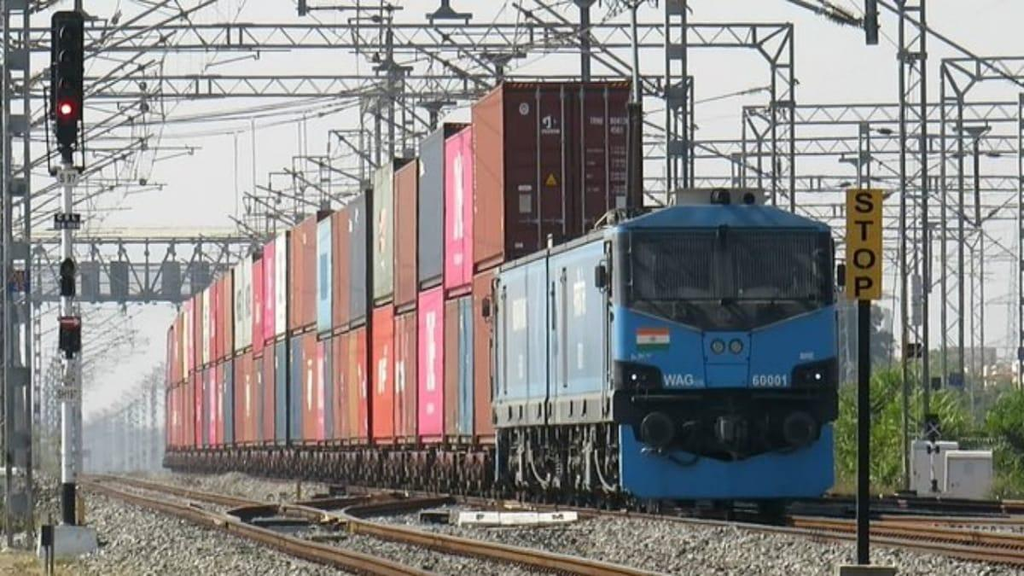
Although the country has expanded its national highways, freight corridors, ports, and logistics parks, transportation remains fragmented in many regions. Road, rail, shipping, and warehousing infrastructure do not always operate as one integrated network.
A shipment travelling from an industrial centre to an export terminal may encounter multiple delays. These can include congested roads, inadequate railway connectivity, inefficient freight handling, and delays in port operations.
Such inefficiencies increase costs and reduce the reliability of supply chains.
There is also an important correction to an outdated narrative about India’s logistics costs. Earlier estimates frequently placed logistics costs at 13–14% of GDP. However, the DPIIT-NCAER assessment estimated India’s logistics costs at approximately 7.97% of GDP for 2023–24. The newer estimate uses a different, more comprehensive methodology and should not be directly compared with older estimates without considering those methodological differences. Press Information Bureau+1
Nevertheless, a lower estimated figure does not mean the problem has disappeared.
Smaller businesses continue to face disproportionate logistics expenses. Poor connectivity and unreliable transportation can make it difficult for manufacturers outside major industrial clusters to compete.
What India must eliminate:
- Fragmented transportation networks that increase freight movement costs.
- Weak last-mile connectivity between industrial zones, railway terminals, and ports.
- Inadequate warehousing and modern cold-chain facilities.
- Excessive dependence on road freight where rail and waterways could be more efficient.
- Delays in cargo handling, documentation, and freight movement.
The government must accelerate multimodal logistics integration through initiatives such as PM Gati Shakti and the National Logistics Policy.
The objective should be straightforward: goods must move across India with fewer delays, lower costs, and greater predictability.
A $10 trillion economy cannot afford a logistics system that makes domestic manufacturing unnecessarily expensive.
2. Poor Urban Infrastructure and Unplanned City Expansion
9
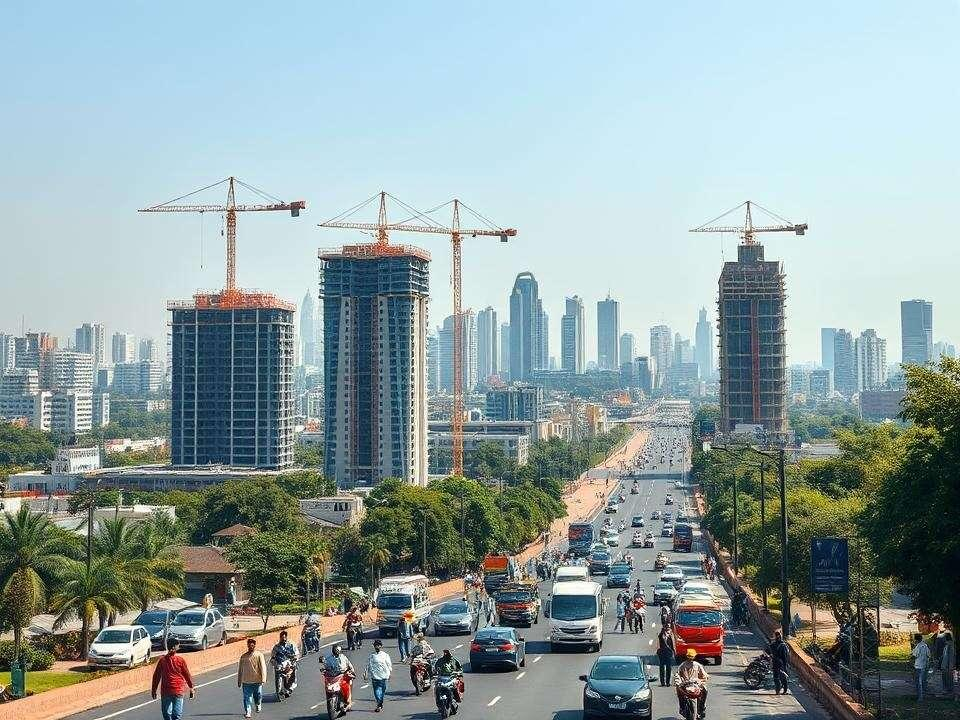
India’s cities are becoming major centres of economic activity. They attract businesses, workers, educational institutions, investors, and technological talent.
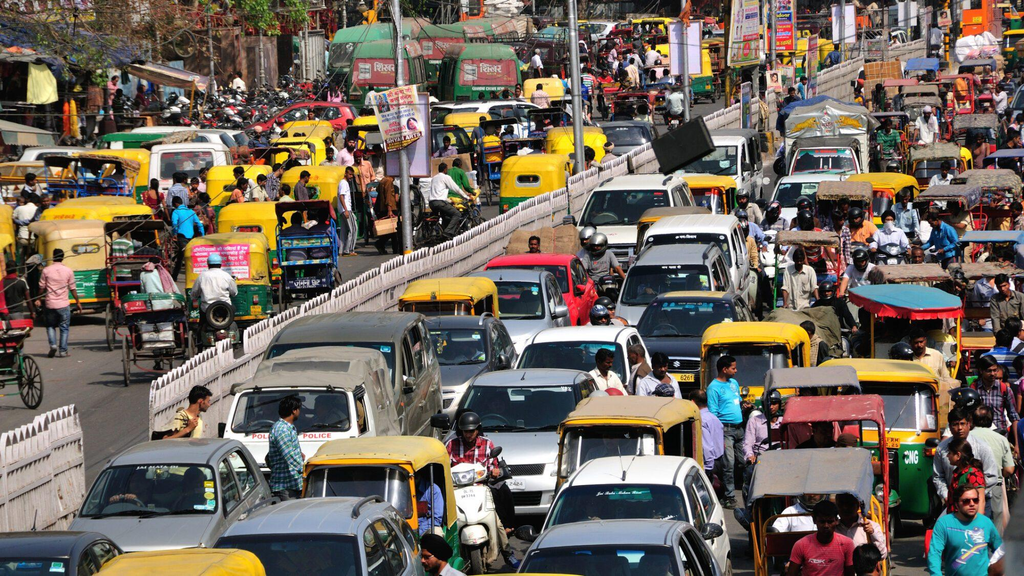
However, urban infrastructure has struggled to keep pace with the speed of urban expansion.
This creates a serious contradiction.
Cities are supposed to improve productivity by bringing businesses, workers, and services closer together. But when roads are congested, public transportation is inadequate, drainage systems fail, and housing becomes unaffordable, the economic advantages of urbanisation begin to disappear.
In several Indian cities, daily commuting consumes hours that could otherwise be spent on productive work.
Poorly planned development also increases pressure on water supply, sanitation, electricity distribution, and waste management.
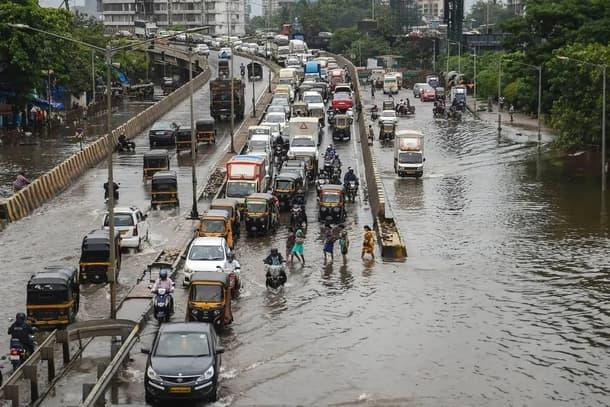
Urban flooding is another recurring problem. Heavy rainfall frequently exposes inadequate drainage capacity, encroached waterways, poorly maintained stormwater systems, and unplanned construction.
These are not merely municipal inconveniences. They have direct economic consequences.
Businesses lose working hours, transportation networks become unreliable, property damage increases, and residents face deteriorating living conditions.
India must stop treating urban infrastructure as an afterthought.
What India must eliminate:
- Unplanned urban expansion without adequate infrastructure.
- Inadequate public transportation and last-mile connectivity.
- Poor drainage and ineffective flood-management systems.
- Insufficient affordable housing near employment centres.
- Weak municipal finances and fragmented urban governance.
- Inadequate sewage treatment and solid-waste management.
Indian cities need integrated urban planning rather than isolated construction projects.
Metro networks, suburban railways, bus rapid transit, pedestrian infrastructure, drainage systems, and affordable housing must be developed as interconnected components.
Equally important is the need to empower urban local bodies with stronger financial resources and professional planning capabilities.
A growing economy cannot depend on cities that are increasingly struggling to accommodate their own growth.
3. Unreliable Electricity and Weak Power Distribution Infrastructure
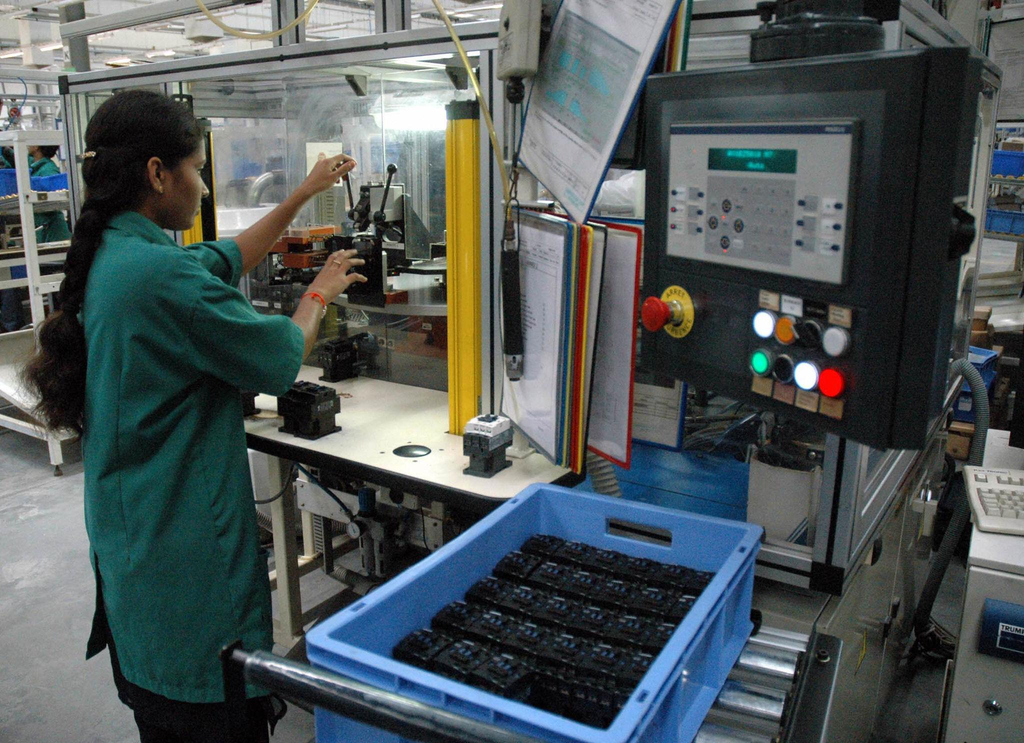
An Indian woman works on a production li
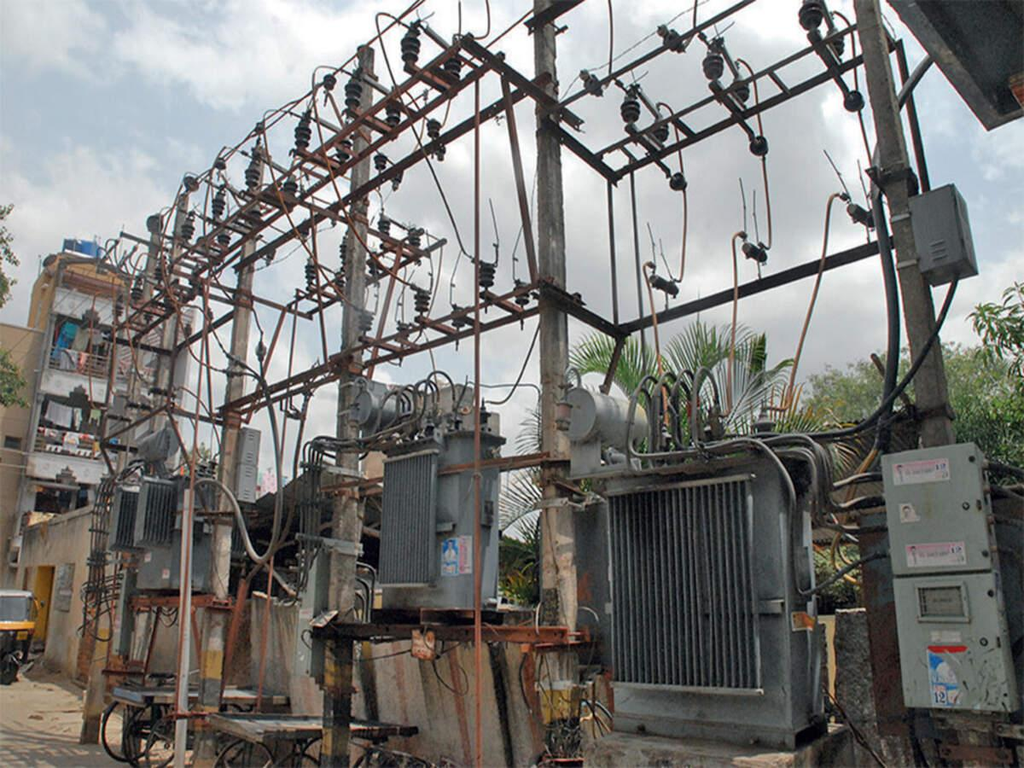
Bescom has a new message for you – Bangalore Mirror
Electricity is one of the most fundamental requirements of modern economic development.
Manufacturing facilities, data centres, hospitals, railways, commercial establishments, and digital services all depend on reliable electricity.
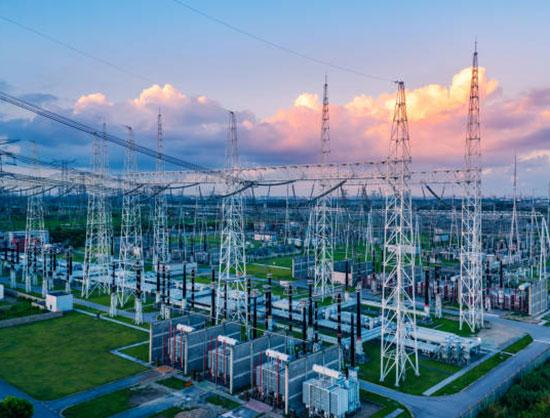
India has substantially expanded its power generation capacity and renewable energy infrastructure. However, generation alone does not guarantee an efficient electricity system.
The real challenge also lies in transmission, distribution, storage, and grid reliability.
Industrial establishments require uninterrupted electricity at predictable prices. Frequent interruptions, voltage fluctuations, and dependence on expensive backup arrangements increase operating costs.
Distribution companies also face financial and operational difficulties in several states. These challenges can weaken their ability to maintain networks, invest in modern equipment, and pay power generators on time.
The transition towards renewable energy introduces another dimension.
Solar and wind power are essential for India’s long-term energy security, but their variable generation requires stronger transmission networks, storage capacity, flexible generation, and improved grid management.
Without these supporting systems, additional generation capacity cannot always translate into dependable electricity for consumers.
What India must eliminate:
- Financially weak electricity distribution companies.
- Transmission congestion and inadequate grid infrastructure.
- Unreliable electricity supply to industrial clusters.
- Insufficient energy storage capacity.
- Delays in connecting renewable energy projects to the national grid.
- Unnecessary cross-subsidies and pricing distortions that weaken industrial competitiveness.
India must move beyond measuring progress through installed generation capacity alone.
The real measure should be the reliability, affordability, and quality of electricity delivered to businesses and households.
For a country seeking to expand electronics, semiconductor manufacturing, electric vehicles, artificial intelligence, and advanced industrial production, reliable electricity is non-negotiable.
4. Land Acquisition Problems and Delayed Project Approvals
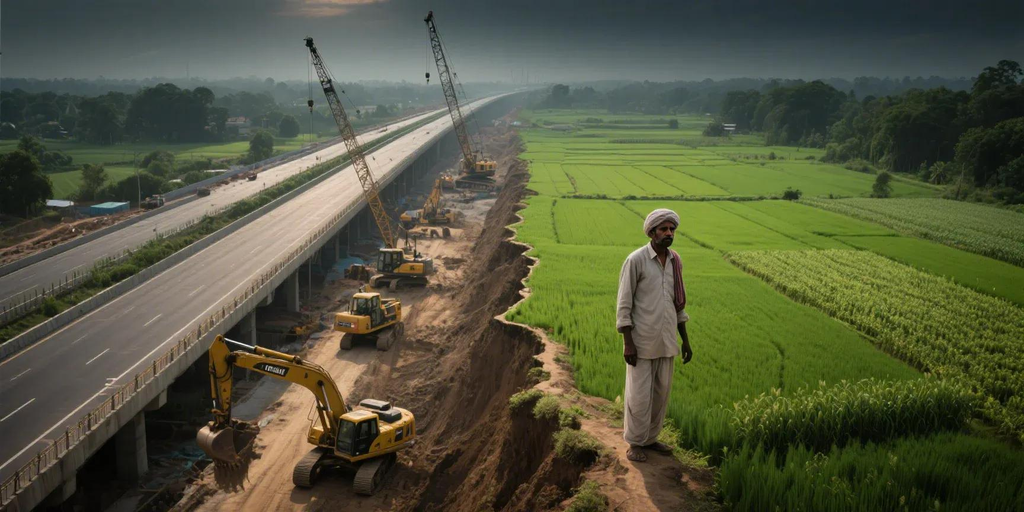
Navigating the Maze of Land Acquisition and Disputes in India: A Comprehensive Guide | Airacle Labs
One of the most persistent obstacles to infrastructure development in India is the difficulty of acquiring land and securing timely project approvals.
Large infrastructure projects require extensive coordination between government departments, state authorities, local administrations, environmental regulators, and affected communities.
When these processes become unnecessarily complicated, projects lose valuable time.
Land acquisition disputes can delay highways, railway lines, industrial corridors, transmission networks, and urban infrastructure.
The problem is not simply that land is difficult to acquire. It is also that unclear ownership records, outdated land registries, compensation disputes, litigation, and inadequate rehabilitation planning can create prolonged uncertainty.
The International Monetary Fund’s 2025 assessment of India identified access to land as an important constraint on productive investment. It cited World Bank data showing that 7.4% of Indian firms identified access to land as their primary obstacle to doing business. IMF eLibrary
This is particularly concerning for large manufacturing investments.
A company planning to establish a factory cannot operate indefinitely under uncertainty about land availability, environmental permissions, electricity connections, or water access.
India needs a more predictable project approval system.
What India must eliminate:
- Disputed and outdated land ownership records.
- Unnecessary administrative delays in land acquisition.
- Poor coordination between central and state authorities.
- Repeated approval requirements across government departments.
- Uncertainty surrounding compensation and rehabilitation.
- Delays in environmental and other statutory clearances.
Digital land records, transparent compensation mechanisms, advance project preparation, and time-bound approval systems can make a substantial difference.
However, speed must not come at the expense of fairness, environmental safeguards, or the rights of affected communities.
The objective should be to make approvals predictable, transparent, and efficient.
Investors should be able to understand the rules before committing billions of dollars to long-term projects.
5. Delayed Infrastructure Projects and Weak Execution
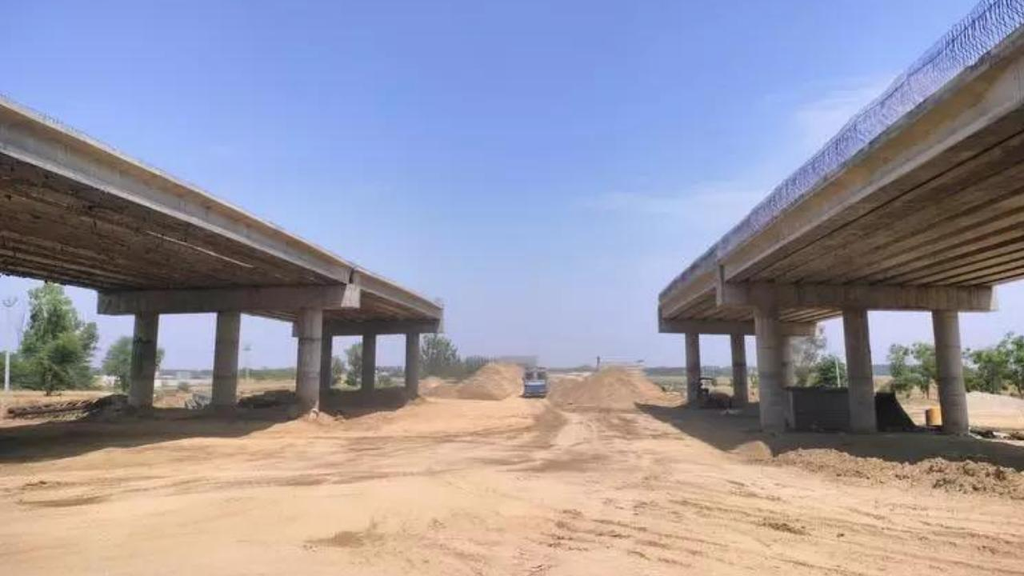
India does not suffer from a shortage of infrastructure announcements. The more difficult question is whether announced projects are completed on time, within budget, and at the expected quality.
Project execution remains a major structural challenge.
Infrastructure projects frequently encounter cost overruns, contractor disputes, land-related complications, funding constraints, and delays in obtaining approvals.
These problems create a chain reaction.
When a highway project is delayed, transportation efficiency suffers. When a railway project remains incomplete, expected connectivity benefits are postponed. When an industrial corridor is not supported by essential utilities, businesses cannot begin operations as planned.
The financial consequences are equally serious.
Capital remains tied up in incomplete assets, borrowing costs accumulate, and taxpayers may eventually bear the burden of higher project expenses.
Government monitoring data illustrates the scale of this challenge.
According to the Ministry of Statistics and Programme Implementation’s September 2026 Flash Report, 1,853 central-sector infrastructure projects costing at least ₹150 crore were being monitored. Their original combined cost was approximately ₹34.34 lakh crore, while their revised estimated cost had risen to approximately ₹37.56 lakh crore. MOSPI
This difference is a warning about the financial consequences of project implementation challenges. It should not, however, be interpreted as a final audited loss or attributed entirely to delays.
India needs to improve how projects are prepared, monitored, financed, and executed.
What India must eliminate:
- Unrealistic project completion deadlines.
- Weak feasibility studies and inadequate preliminary planning.
- Poor contractor accountability.
- Frequent changes in project specifications.
- Delays in resolving contractual and arbitration disputes.
- Insufficient coordination between implementing agencies.
The government should strengthen independent project monitoring and ensure that accountability does not end with the awarding of a construction contract.
Performance must be measured by completed infrastructure and its actual economic usefulness.
Announcing a project is easy. Delivering it efficiently is what builds an economy.
6. Inadequate Railway Freight Capacity and Multimodal Connectivity
PSA inaugurates Mumbai phase two terminal
India’s railway network is one of its most important economic assets.
It carries millions of passengers and substantial quantities of freight. Yet the railway system must continue evolving to support the requirements of a much larger industrial economy.
The issue is not simply the number of railway tracks.
It is the ability to move more freight efficiently while maintaining passenger services, improving operational reliability, and connecting production centres with ports and consumption markets.
Railway congestion can affect freight movement and increase transportation uncertainty.
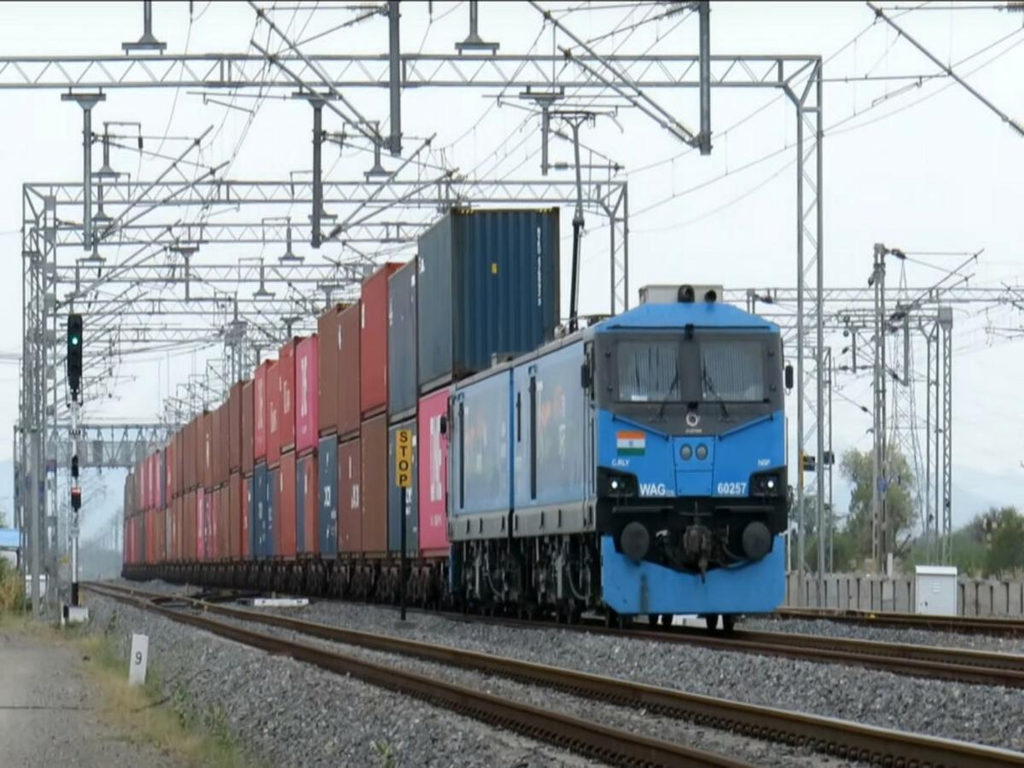
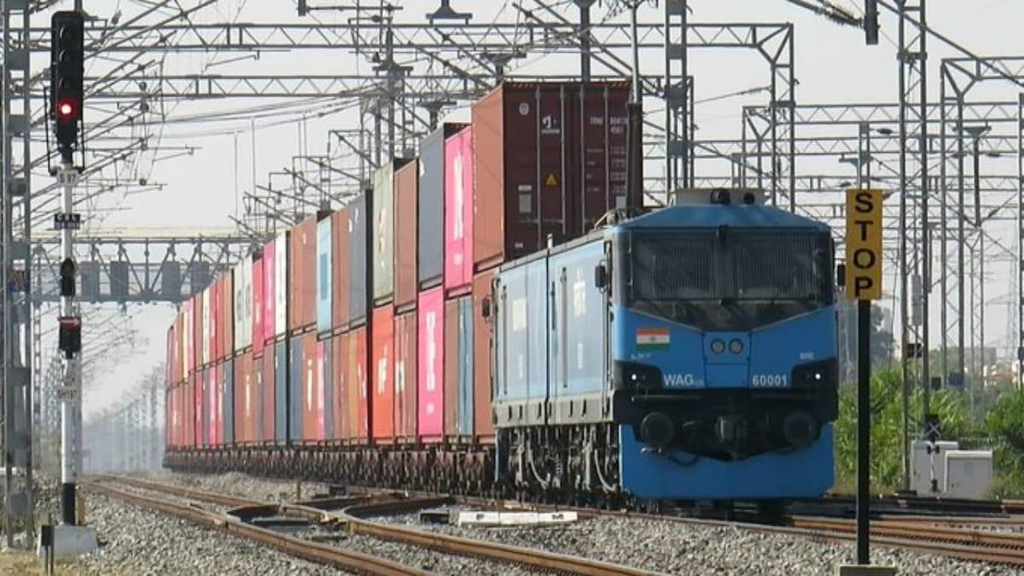
Dedicated Freight Corridors represent an important step towards addressing this challenge. They can improve freight capacity, reduce transit times, and support more efficient industrial transportation.
However, their economic benefits depend on complementary infrastructure.
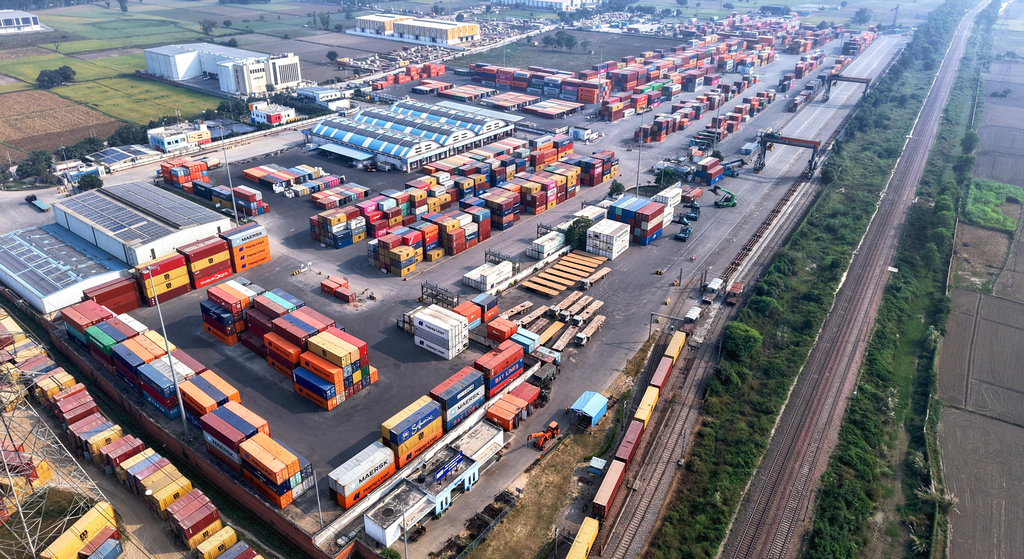
Industrial facilities need railway sidings. Logistics parks need efficient connections. Ports require reliable freight corridors. Smaller manufacturing centres need access to larger transportation networks.
Without these connections, even major railway investments can deliver less value than expected.
What India must eliminate:
- Inadequate freight capacity on congested railway routes.
- Weak railway connectivity to industrial clusters.
- Insufficient freight terminals and loading facilities.
- Poor integration between railways, roads, ports, and inland waterways.
- Operational inefficiencies that increase freight transit times.
India must develop a railway system that supports both passenger mobility and industrial competitiveness.
A stronger freight network would reduce pressure on highways, improve supply-chain reliability, and help Indian manufacturers reach domestic and international markets more efficiently.
7. Water Scarcity and Inadequate Industrial Water Infrastructure
Chennai: la ciudad emblema de la crisis por el agua en India
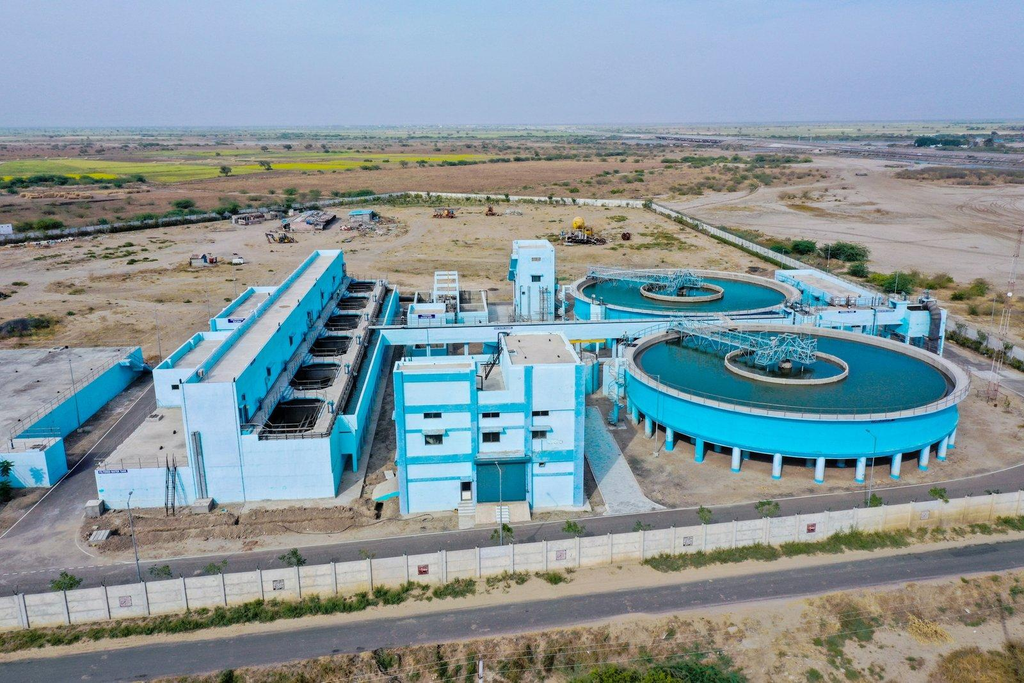
Industrial Water & Recycling Infrastructure Expansion Underway in Dholera
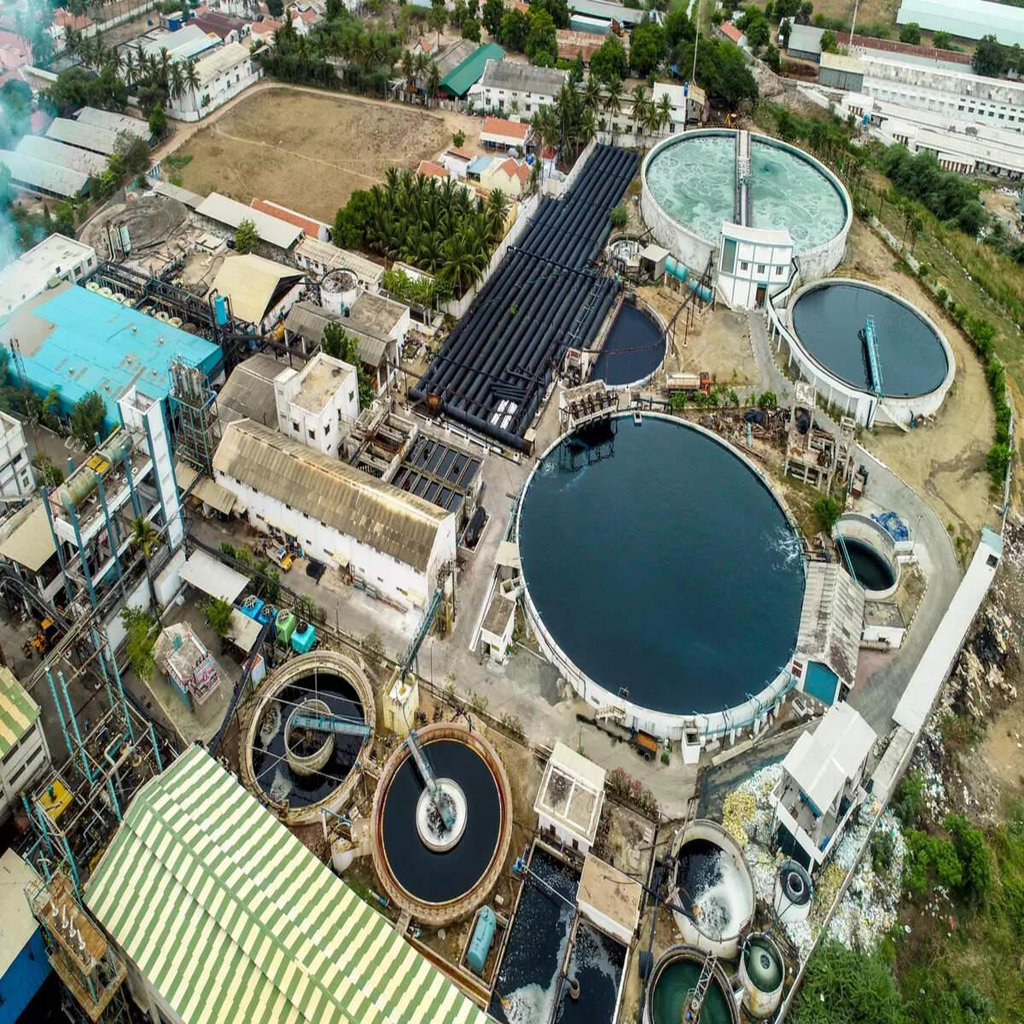
Water is often overlooked in discussions about India’s infrastructure requirements.
Yet it is indispensable to manufacturing, agriculture, electricity generation, construction, food processing, and urban development.
As India expands its industrial capacity, demand for reliable water supplies will increase.
Several industrial activities require large and consistent quantities of water. Semiconductor manufacturing, chemicals, textiles, steel production, and thermal power generation all depend on adequate water infrastructure.
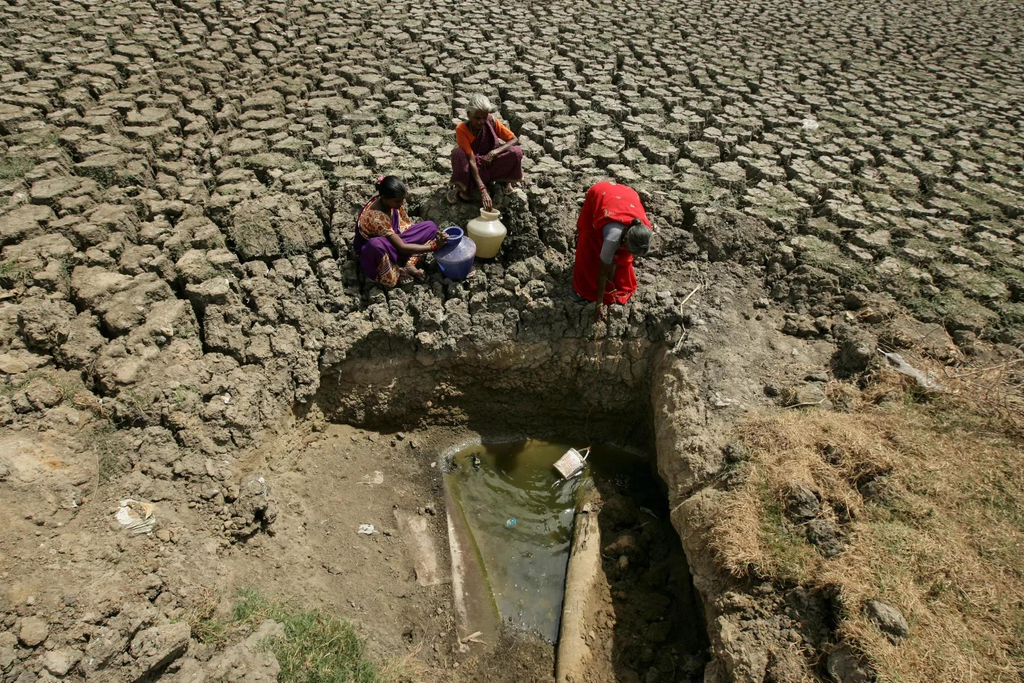
However, water availability varies considerably across Indian states and regions.
Groundwater depletion, pollution, inefficient irrigation, inadequate storage, and poorly maintained distribution networks create additional pressure.
Urban centres also face the challenge of supplying water to expanding populations while managing wastewater and protecting existing sources.
This creates an important economic risk.
An industrial facility cannot operate efficiently if water supply becomes unpredictable. Businesses may have to invest in additional treatment facilities, recycling systems, and alternative sources, increasing their capital and operating costs.
What India must eliminate:
- Excessive groundwater extraction.
- Inadequate wastewater treatment and recycling.
- Poor maintenance of urban water distribution systems.
- Inefficient agricultural irrigation practices.
- Weak industrial water-management planning.
- Insufficient investment in reservoirs, local storage, and water conservation.
India must treat water security as an integral component of economic planning.
Wastewater recycling, industrial water reuse, efficient irrigation, rainwater harvesting, and stronger watershed management should become standard priorities.
A country cannot sustainably expand its manufacturing base while ignoring the availability of one of its most essential resources.
8. Weak Rural Infrastructure and the Uneven Distribution of Economic Opportunities
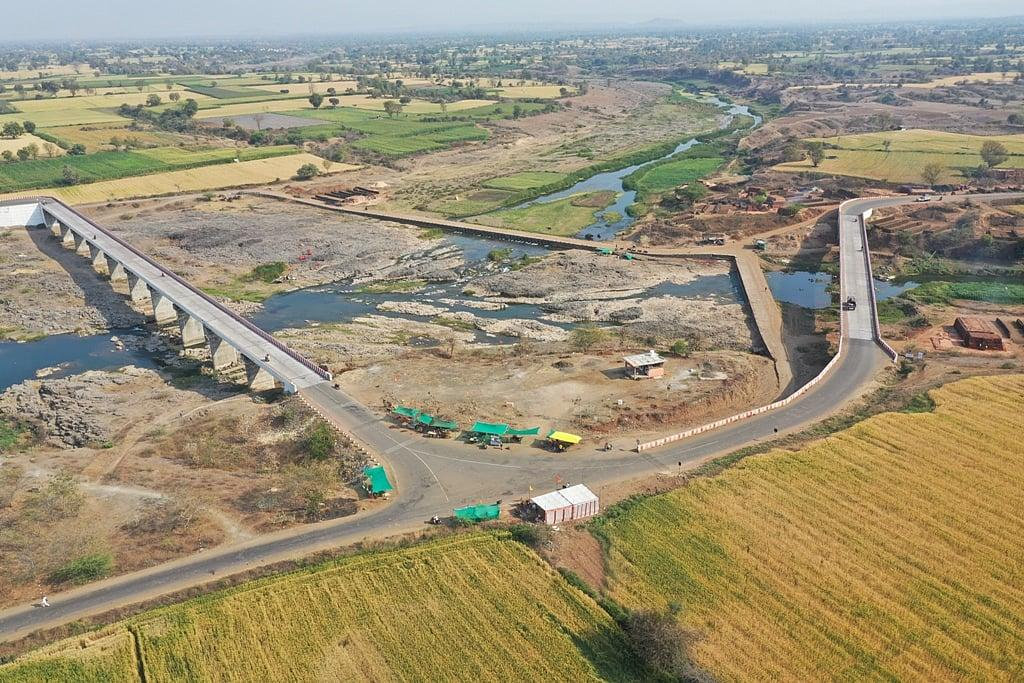
India’s economic ambitions cannot be achieved by concentrating development in a handful of metropolitan areas and established industrial states.
The country needs a broader geographical distribution of economic opportunities.
Rural India remains closely connected to the national economy through agriculture, small enterprises, manufacturing supply chains, and labour mobility.
However, inadequate rural infrastructure can prevent these areas from fully participating in economic growth.
Poor roads increase transportation costs for farmers and small businesses. Limited cold-storage facilities lead to post-harvest losses. Inadequate healthcare and educational infrastructure restrict human development.
Digital connectivity has improved significantly, but access to reliable broadband, digital services, and supporting infrastructure remains uneven.
The problem becomes particularly visible in remote regions, where geographical isolation increases the cost of infrastructure development.
This is also relevant to India’s northeastern states.
Regions such as Assam and other parts of the Northeast have considerable potential in agriculture, tourism, logistics, energy, and cross-border trade. However, their economic opportunities depend heavily on reliable roads, bridges, rail connectivity, waterways, and logistics facilities.
India must ensure that regional development becomes a central component of its infrastructure strategy.
What India must eliminate:
- Poor rural road maintenance and inadequate connectivity.
- Insufficient cold-storage and agricultural logistics facilities.
- Weak connections between villages and major markets.
- Uneven access to reliable broadband and digital infrastructure.
- Inadequate healthcare and educational facilities.
- Infrastructure gaps in remote and geographically difficult regions.
Better rural infrastructure can increase agricultural productivity, encourage small businesses, attract investment, and create employment outside major cities.
India’s growth story will become considerably stronger when economic opportunities are no longer restricted by geographical disadvantages.
9. Weak Port Infrastructure and Inadequate Export Connectivity
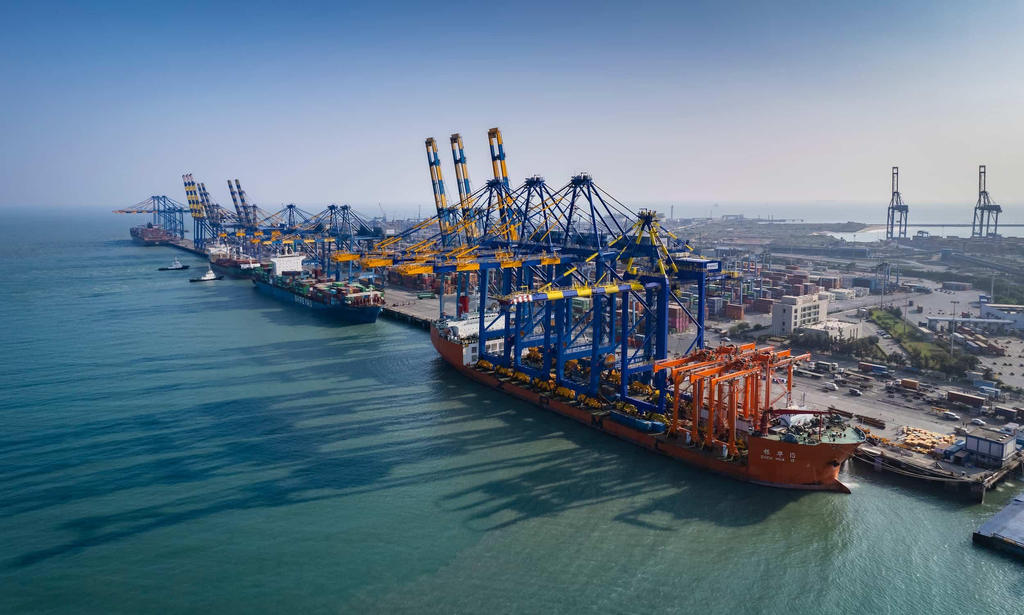
Ports expansion to accelerate container trading in India
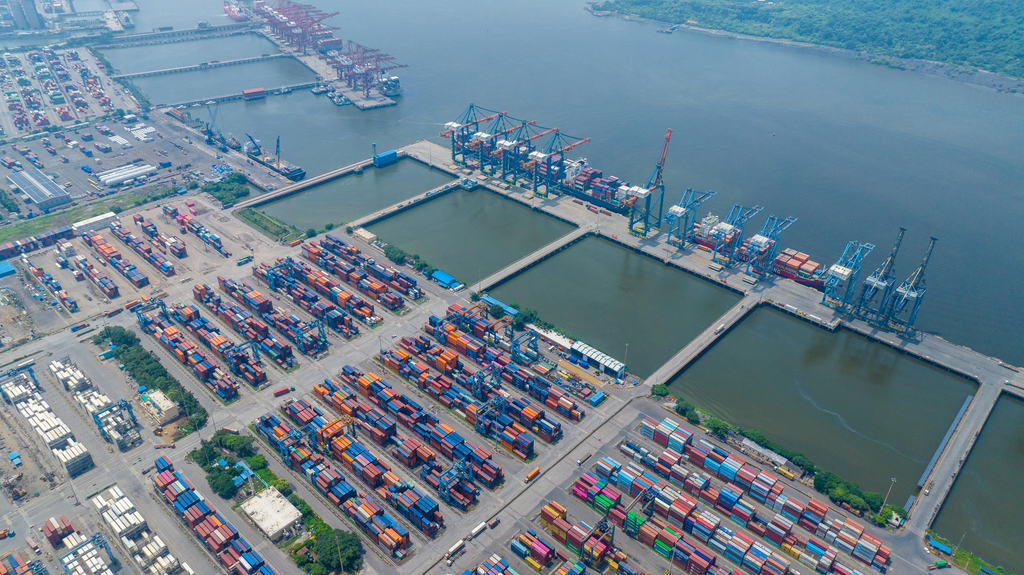
JNPT container port aerial view JNPT Port shipping containers aerial
9
India wants to become a major manufacturing and exporting economy.
However, international competitiveness depends on more than producing goods at attractive prices.
Manufacturers must also be able to transport products to international markets efficiently.
Ports play a crucial role in this process.
India has invested in port modernisation, coastal shipping, inland waterways, and logistics infrastructure. Initiatives such as Sagarmala aim to improve port-led development and strengthen connectivity.
Nevertheless, challenges remain.
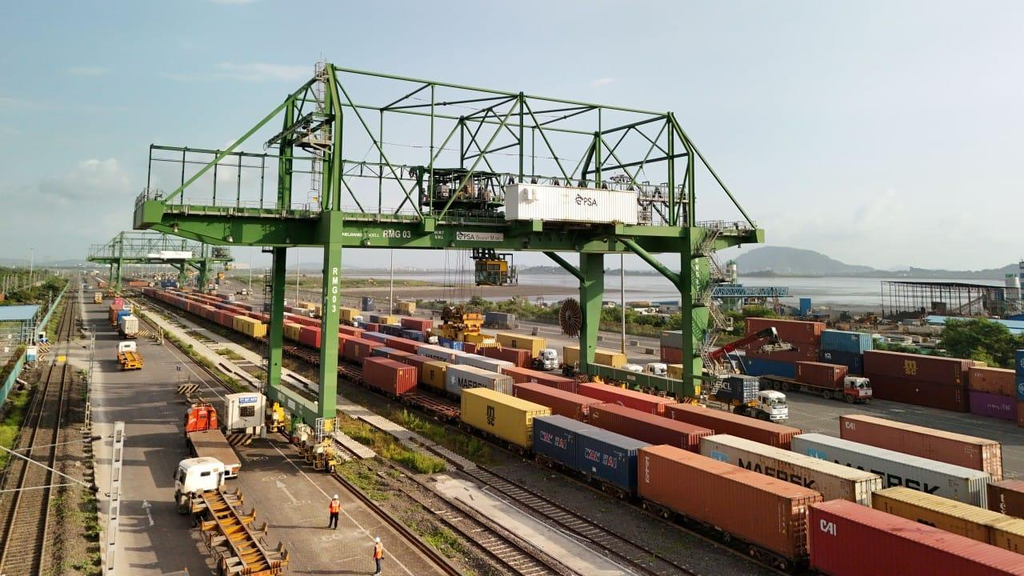
Port efficiency depends on the entire transportation network surrounding it. A modern port cannot deliver its full potential if cargo movement is restricted by congested highways, inadequate railway connections, limited warehousing, or inefficient customs processes.
Exporters also need predictable shipping schedules and reliable cargo-handling services.
These issues matter particularly for industries operating on tight international delivery schedules.
Electronics, pharmaceuticals, textiles, engineering goods, and automotive components all require dependable logistics networks.
What India must eliminate:
- Congestion in port-linked transportation corridors.
- Inadequate railway and road connections to ports.
- Insufficient modern cargo-handling facilities.
- Inefficient customs and documentation procedures.
- Weak integration between inland waterways and coastal shipping.
- Limited logistics infrastructure around emerging industrial centres.
India must develop ports as integrated trade gateways rather than treating them as isolated transportation facilities.
Efficient ports, connected industrial corridors, and reliable shipping networks can help Indian manufacturers compete more effectively in global markets.
10. Insufficient Investment in Research, Technology, and Advanced Infrastructure
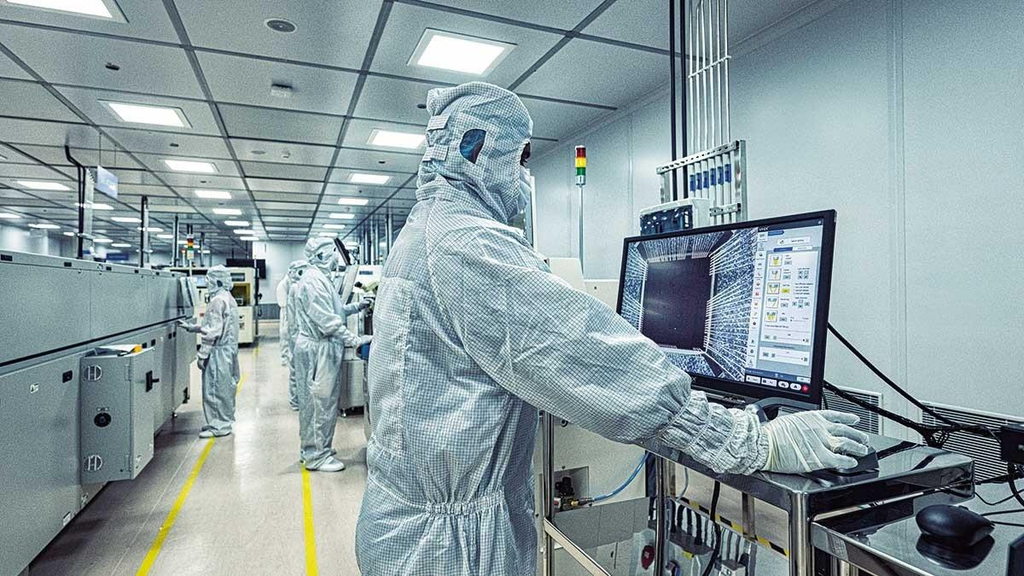
Semiconductor Mission | India’s great chip gambit – India Today
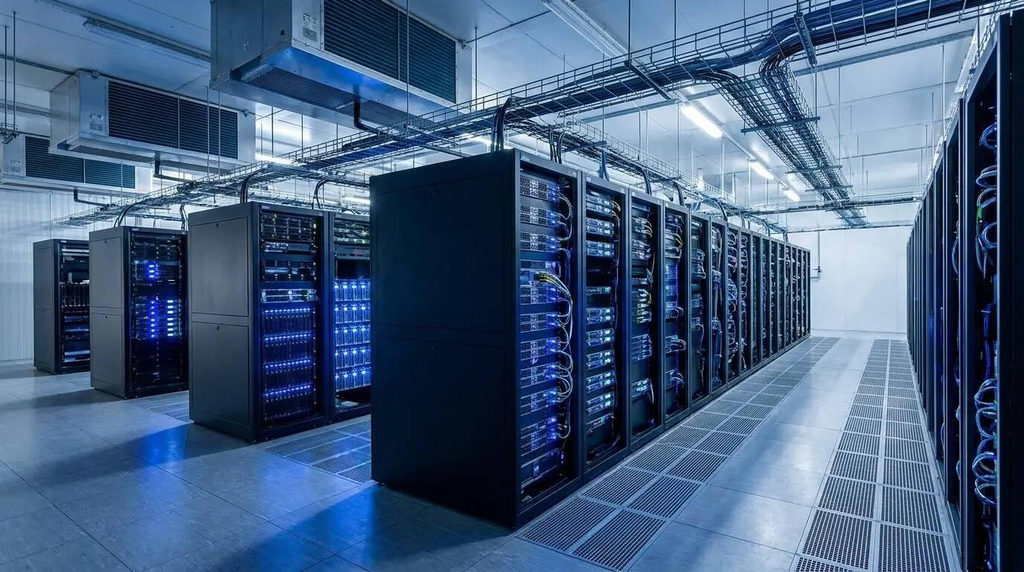
L&T Targets 200 MW Data Center Capacity, Pivots to AI Infrastructure, ETDatacenters
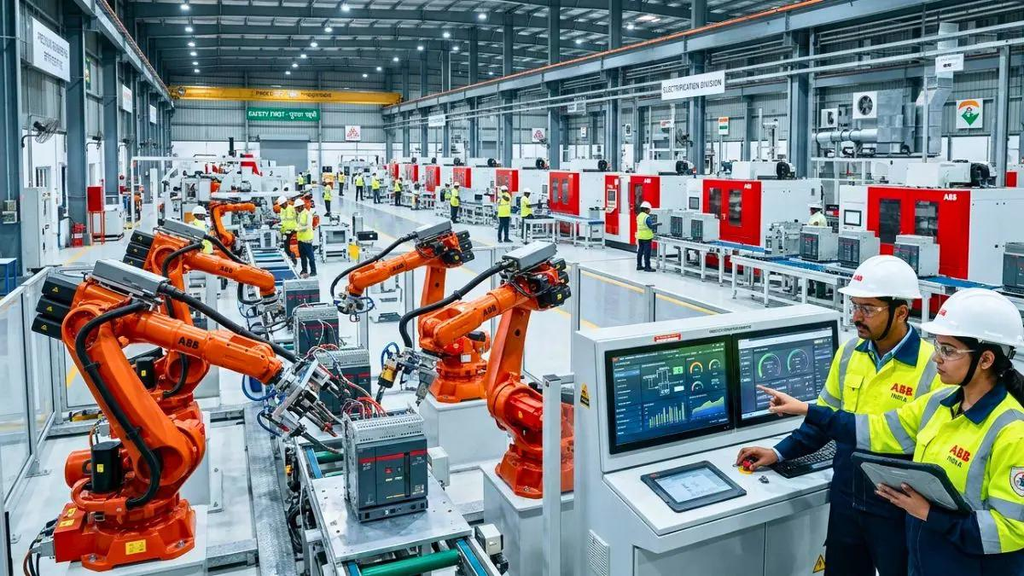
ABB to invest $75 million in India to scale manufacturing and R&D | Domain-b.com
Perhaps one of the most important challenges facing India’s long-term economic ambitions is the need to build infrastructure for the industries of the future.
Traditional infrastructure remains essential. Roads, railways, electricity, water, and ports will continue to determine economic competitiveness.
But the next stage of global economic development will increasingly depend on advanced manufacturing, artificial intelligence, semiconductor production, automation, data centres, biotechnology, and high-value research.
These industries require specialised infrastructure.
Semiconductor facilities need highly reliable electricity, sophisticated water treatment, precision manufacturing environments, and specialised supply chains.
Data centres require uninterrupted power, advanced cooling systems, and reliable digital connectivity.
Advanced manufacturing requires industrial automation, modern testing facilities, research laboratories, and skilled technical personnel.
India has begun investing in several of these areas. However, establishing individual facilities is not enough to create internationally competitive industrial ecosystems.
The country needs a deeper network of suppliers, research institutions, testing laboratories, specialised infrastructure, and skilled workers.
What India must eliminate:
- Inadequate investment in industrial research and development.
- Limited availability of advanced testing and certification facilities.
- Gaps in semiconductor and electronics supply chains.
- Insufficient specialised infrastructure for emerging industries.
- Weak connections between universities, research institutions, and manufacturers.
- Shortages of industry-ready technical skills.
India must shift from being primarily a destination for expanding production capacity towards becoming a country that develops, designs, manufactures, and exports advanced technologies.
The infrastructure of tomorrow must be built alongside the infrastructure of today.
Why India Must Address These Bottlenecks Together
The ten challenges discussed above are interconnected.
Improving one area while neglecting the others will produce limited economic benefits.
For example, building a new industrial corridor without ensuring reliable electricity, water, and railway connectivity will reduce its attractiveness to investors.
Expanding port capacity without improving road and rail connections will create new transportation constraints.
Increasing electricity generation without modernising distribution networks will leave industries exposed to supply problems.
Similarly, developing modern cities without improving drainage, housing, and public transportation will undermine the productivity advantages of urbanisation.
This is why India’s infrastructure strategy needs a systems-based approach.
The country must prioritise projects according to their ability to remove economic constraints, rather than measuring progress exclusively through construction expenditure or the number of projects announced.
There are several existing initiatives that can help achieve this objective.
- PM Gati Shakti: Integrates infrastructure planning across ministries and departments to improve multimodal connectivity.
- National Logistics Policy: Seeks to improve logistics efficiency, reduce fragmentation, and strengthen supply-chain competitiveness.
- Dedicated Freight Corridors: Expand railway freight capacity and improve industrial transportation.
- National Industrial Corridor Development Programme: Develops industrial cities and manufacturing ecosystems with supporting infrastructure.
- Sagarmala: Strengthens port-led development and maritime connectivity.
- Renewable energy and grid modernisation: Support India’s long-term electricity requirements and energy transition.
- Urban infrastructure programmes: Improve public transportation, water supply, sanitation, and urban services.
The Economic Survey 2025–26 highlights the importance of integrated infrastructure planning. It reports that PM Gati Shakti had onboarded 57 ministries and departments and incorporated more than 1,700 data layers by November 2025. It also notes the expansion of industrial corridor development and logistics-related digital integration. India Budget
These are important steps. But implementation must translate into lower costs, faster transportation, better services, and stronger industrial productivity.
Policy announcements must ultimately produce measurable results.
The Structural Reforms India Needs to Turn Infrastructure Investment into Economic Growth
Eliminating infrastructure bottlenecks requires more than increasing government expenditure.
India needs a fundamental improvement in how infrastructure projects are planned, financed, implemented, and maintained.
There are five areas that deserve particular attention.
1. Prioritise Productivity Over Project Announcements
Infrastructure development should be evaluated through its economic contribution.
A highway should be measured by how much it improves travel time, freight movement, and market access. An industrial corridor should be evaluated by the investment and employment it generates.
The focus must shift from the number of projects announced to the economic value they actually deliver.
2. Encourage Greater Private Sector Participation
Government expenditure alone cannot finance every infrastructure requirement.
India needs greater participation from domestic businesses, international investors, pension funds, and institutional infrastructure investors.
Public-private partnerships can help mobilise long-term capital, provided that contractual responsibilities, risk allocation, and dispute-resolution mechanisms are clearly defined.
Investors need predictable policies and confidence that projects will not become trapped in prolonged disputes.
3. Strengthen Coordination Between the Centre and States
Infrastructure projects frequently involve multiple government agencies.
A highway may require state-level permissions, environmental approvals, land acquisition, electricity connections, and coordination with local authorities.
Poor coordination can undermine otherwise well-planned projects.
India needs stronger institutional cooperation between central ministries, state governments, and municipal authorities.
4. Introduce Stronger Accountability in Project Execution
Project delays should not become an accepted feature of infrastructure development.
Implementing agencies and contractors must be held accountable for avoidable delays, poor construction quality, and failure to meet contractual obligations.
Independent monitoring, transparent reporting, realistic timelines, and effective dispute resolution should become standard practices.
5. Invest in Maintenance Alongside New Construction
India frequently celebrates new infrastructure projects. However, maintaining existing assets deserves equal attention.
Poor road maintenance, deteriorating bridges, ageing water pipelines, inefficient drainage systems, and outdated electricity networks can gradually undermine infrastructure investments.
Building new assets without maintaining existing ones is an expensive development strategy.
India must adopt a lifecycle approach to infrastructure spending, where maintenance and operational efficiency receive adequate funding.
Can India Reach a $10 Trillion Economy Without Eliminating These Bottlenecks?
The answer is that achieving such an ambitious economic target becomes considerably more difficult if structural infrastructure constraints remain unresolved.
India possesses several important advantages.
It has a large domestic market, a growing workforce, an expanding digital economy, a substantial entrepreneurial base, and increasing opportunities in global manufacturing and services.
Its infrastructure investment drive also provides a foundation for further expansion.
However, these advantages cannot automatically translate into sustained high economic growth.
India must improve productivity across the entire economy.
Manufacturers need reliable electricity and efficient logistics. Farmers need better storage and market connectivity. Cities need modern transportation and water infrastructure. Exporters need competitive ports and predictable supply chains.
The country also needs better institutions capable of delivering large projects without unnecessary delays and cost escalation.
The $10 trillion ambition must therefore be treated as a long-term economic objective, not an automatic outcome of India’s current growth trajectory.
The timeline will depend on several factors, including real economic growth, inflation, exchange-rate movements, investment, productivity, and global economic conditions.
Most importantly, India must ensure that infrastructure development supports productive economic activity rather than becoming an end in itself.
A highway that reduces transportation costs, a railway corridor that improves freight capacity, or a reliable electricity network that attracts manufacturing investment creates lasting economic value.
That is the kind of infrastructure India needs.
Conclusion: India’s Next Economic Breakthrough Depends on Eliminating Structural Roadblocks
India has demonstrated that it can undertake infrastructure development on an enormous scale.
Its expanding highway network, railway modernisation, growing renewable energy capacity, modern airports, industrial corridors, and digital infrastructure reflect a country preparing for a larger economic role.
But the next stage of development will require something more demanding.
India must address the weaknesses that prevent infrastructure from delivering its full potential.
High logistics costs, inadequate urban planning, unreliable power distribution, land acquisition disputes, delayed projects, insufficient freight capacity, water scarcity, rural connectivity gaps, inefficient ports, and limited advanced industrial infrastructure cannot remain permanent features of the country’s growth story.
These are structural problems that require sustained policy attention and institutional accountability.
The Infrastructure Bottlenecks India Must Eliminate are not simply construction-related challenges. They are barriers to productivity, industrial competitiveness, investment, employment, and long-term economic prosperity.
India does not need infrastructure development merely for impressive statistics or political announcements. It needs infrastructure that makes businesses more competitive, cities more liveable, industries more productive, and economic opportunities more accessible.
The ambition of becoming a $10 trillion economy will demand difficult decisions, disciplined execution, and long-term planning.
India’s next economic breakthrough will not be determined by how many infrastructure projects it announces, but by how effectively it removes the obstacles preventing its economy from reaching its full potential.
That is the difference between building infrastructure and building an economic powerhouse.
Also Read Our Other Articles On:
Indian Architecture: From 1000-Year-Old Craftsmanship to 21st-Century Brutalism
Trusted Sources for Editorial Fact-Checking used